Loading
- Online Care
- Fast Prescriptions
- Delivered to Your Door

HOME / WEIGHT LOSS
GLP-1s and Hydration: The Weight Loss Habit Most People Overlook

Key Takeaways:
- GLP-1 medications can reduce thirst and overall fluid intake.
- Proper hydration may help minimize headaches, fatigue, constipation, and other common side effects.
- Most adults should aim for consistent fluid intake throughout the day rather than drinking large amounts at once.
- Electrolytes may be helpful during periods of vomiting, diarrhea, intense exercise, or excessive sweating.
- Hydration is one of the simplest ways to support long-term success on Semaglutide or Tirzepatide.
Starting a GLP-1 medication can be an exciting step toward your weight loss goals. While most people focus on dosing, nutrition, and exercise, hydration is often overlooked.
Because GLP-1 medications can reduce appetite, slow digestion, and sometimes cause gastrointestinal side effects, maintaining proper hydration becomes especially important. Staying hydrated may help support energy levels, digestion, exercise performance, and overall comfort throughout treatment.
Read on to learn why hydration matters, how much water you may need, and simple ways to build better hydration habits while taking Semaglutide or Tirzepatide.
Why Hydration Matters on GLP-1s
GLP-1 medications work by slowing gastric emptying and helping you feel fuller for longer. While this can be highly effective for weight loss, it can also lead some patients to unintentionally consume less fluid throughout the day.
Additionally, common side effects such as nausea, vomiting, diarrhea, and constipation can increase fluid losses and make dehydration more likely.
Even mild dehydration can affect how you feel, potentially contributing to fatigue, headaches, dizziness, and digestive discomfort.
Signs of Dehydration

Many patients assume every symptom they experience is caused by their medication. In reality, dehydration can often be a contributing factor.
Common signs include:
- Headaches
- Fatigue
- Dry mouth
- Dizziness
- Muscle cramps
- Dark urine
- Constipation
- Difficulty concentrating
Recognizing these symptoms early can help you adjust your hydration habits before they become more severe.
How Much Water Should You Drink?
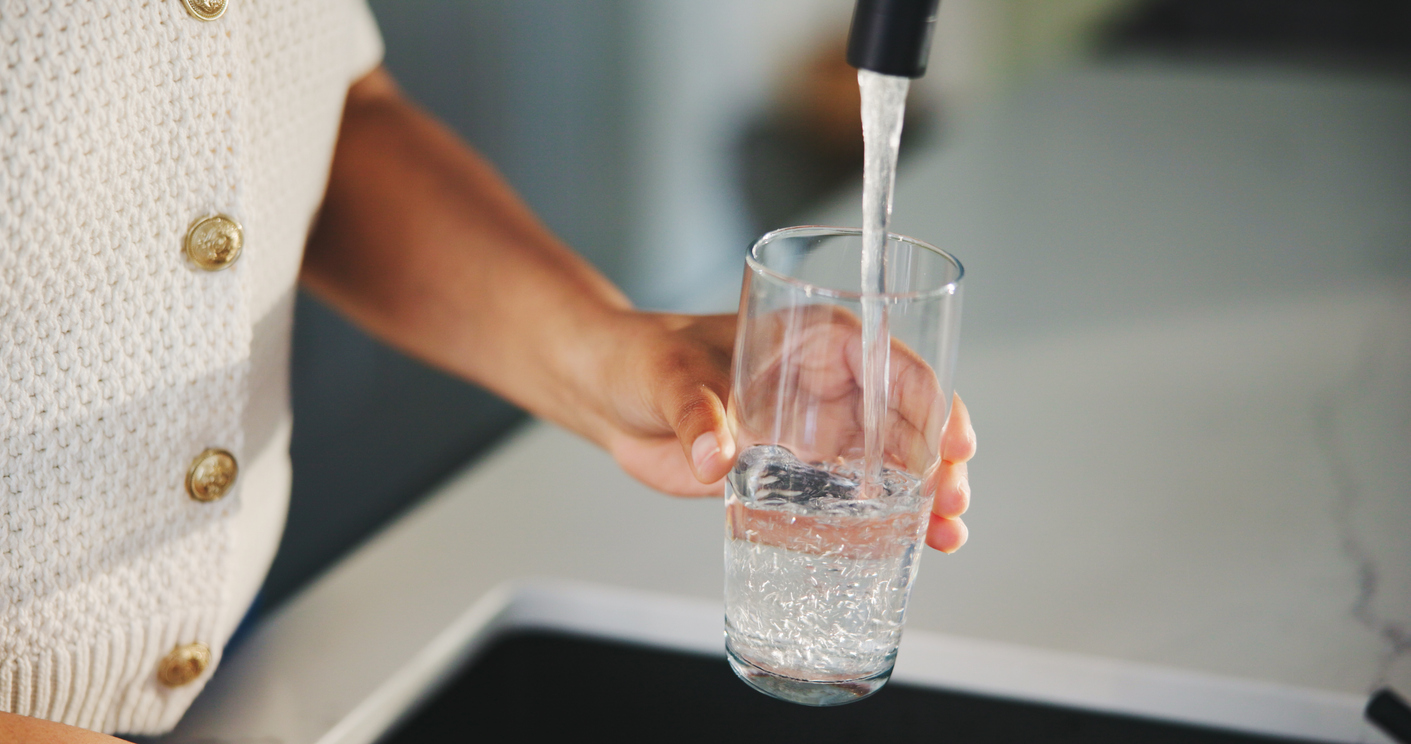
There is no universal hydration target that works for everyone.
Your fluid needs depend on factors such as:
- Body size
- Activity level
- Climate
- Medication dose
- Existing medical conditions
For many adults, aiming for approximately 8 to 12 cups of fluid per day is a reasonable starting point.
Rather than trying to drink large amounts all at once, focus on spreading your intake consistently throughout the day.
Electrolytes and GLP-1 Therapy
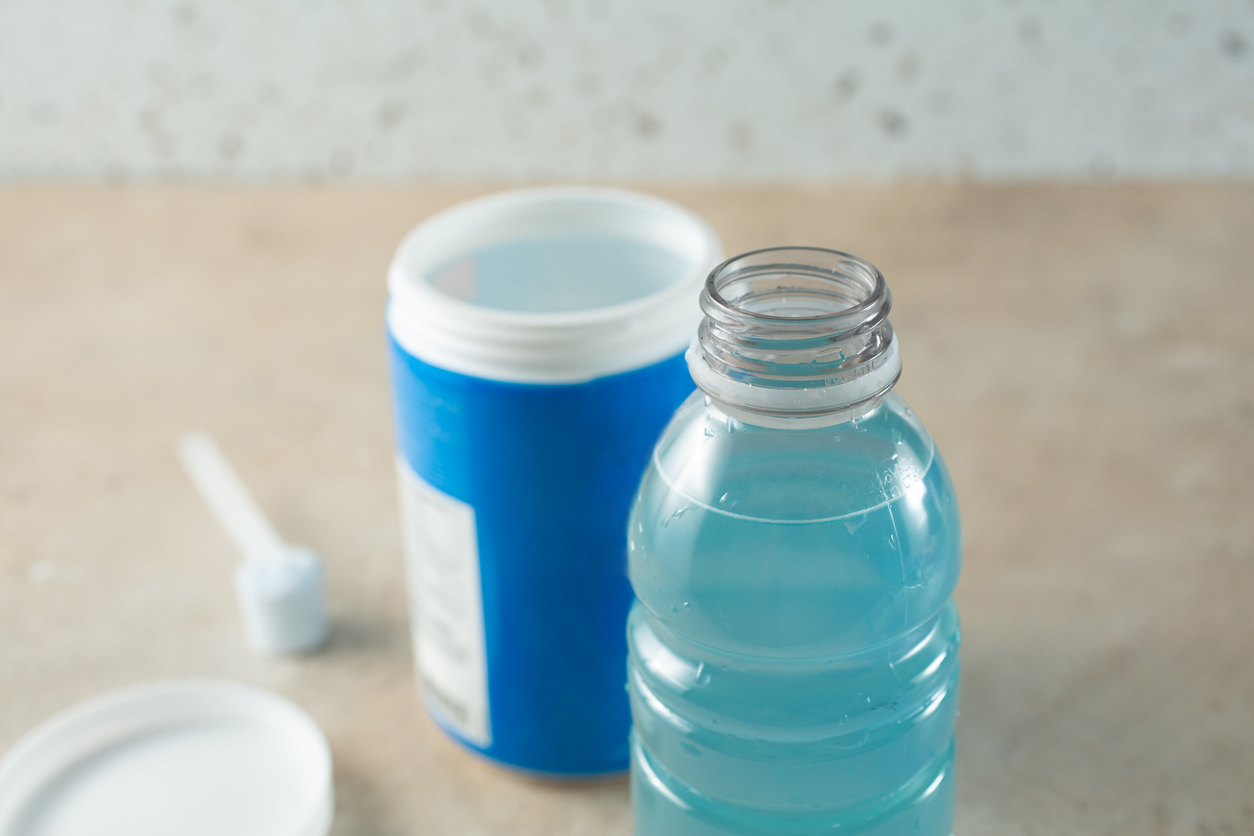
Water is important, but it’s not the only piece of the hydration puzzle. Electrolytes such as sodium, potassium, and magnesium help regulate fluid balance, muscle function, and nerve signaling.
Electrolyte replacement may be especially helpful if you are experiencing:
- Vomiting
- Diarrhea
- Heavy sweating
- Extended exercise sessions
- Significant reductions in food intake
Many patients find that adding an electrolyte beverage periodically helps support hydration and overall well-being.
Tips for Staying Hydrated
Start Your Day With Water
Drink a glass of water shortly after waking up before reaching for coffee or other beverages.
Keep Water Within Reach
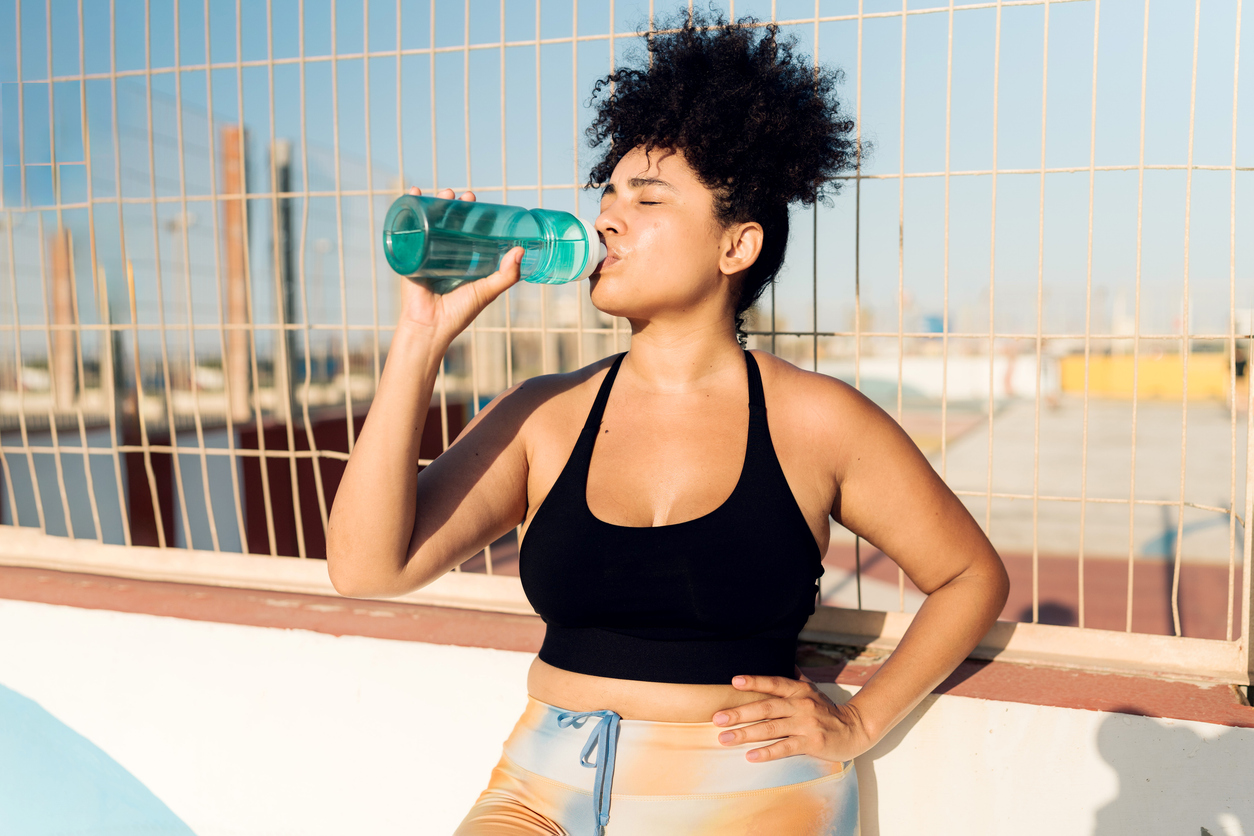
Having a water bottle nearby throughout the day makes it easier to maintain consistent intake.
Sip Instead of Chug
Many patients taking GLP-1 medications feel uncomfortable drinking large volumes at once. Smaller, more frequent sips are often easier to tolerate.
Eat Hydrating Foods
Foods with high water content can contribute meaningfully to daily hydration. Examples include:
- Watermelon
- Cucumbers
- Strawberries
- Lettuce
- Celery
- Citrus fruits
Create Hydration Reminders
If you’re eating less and feeling less thirsty, reminders can help ensure hydration remains a priority.
When to Contact Your Provider
Occasional mild dehydration can usually be corrected by increasing fluid intake. However, you should contact your healthcare provider if you experience:
- Persistent vomiting
- Severe diarrhea
- Inability to keep fluids down
- Significant dizziness
- Signs of severe dehydration
Your provider can help determine whether medication adjustments or additional support may be appropriate.
Related Articles

Semaglutide vs. Tirzepatide: What's the Difference?
Compare the two leading GLP-1 medications, including how they work, expected results, and factors to consider when discussing treatment with your provider.
Weight Loss
Common GLP-1 Side Effects and How to Manage Them
Learn about the most common side effects associated with GLP-1 therapy and practical strategies that may help you stay comfortable throughout treatment.
Weight Loss
How Much Protein Should You Eat While Taking a GLP-1?
Protein plays an important role in preserving muscle, supporting metabolism, and promoting satiety during weight loss. Here's what you should know.
Weight Loss