Loading
- Online Care
- Fast Prescriptions
- Delivered to Your Door

HOME / HAIR GROWTH
A Complete Guide to Hair Growth Treatments for Men

Key Takeaways:
- Male pattern hair loss is the most common cause of hair thinning in men.
- DHT plays a significant role in shrinking hair follicles over time.
- Early intervention often leads to better outcomes.
- Modern treatment options can help slow hair loss and support regrowth.
- Consistency is one of the most important factors for success.
Hair loss affects millions of men and can begin earlier than many people expect. While some degree of thinning is common with age, hair loss is not simply an inevitable part of getting older.
Understanding why hair loss occurs and what treatment options are available can help men make informed decisions about their long-term hair health.
Read on to learn what causes hair loss, how modern treatments work, and what you can realistically expect from a hair growth program.
What Causes Hair Loss in Men?
The most common cause of hair loss in men is androgenetic alopecia, more commonly known as male pattern baldness.
This condition is primarily influenced by genetics and hormones. Over time, hair follicles become smaller, producing thinner and shorter hairs until growth eventually stops.
Hair loss may begin as:
- A receding hairline
- Thinning at the crown
- Diffuse thinning across the scalp
- A combination of these patterns
While genetics are the most common cause, factors such as stress, illness, medications, nutritional deficiencies, and hormonal changes can also contribute.
Understanding DHT and Male Pattern Baldness
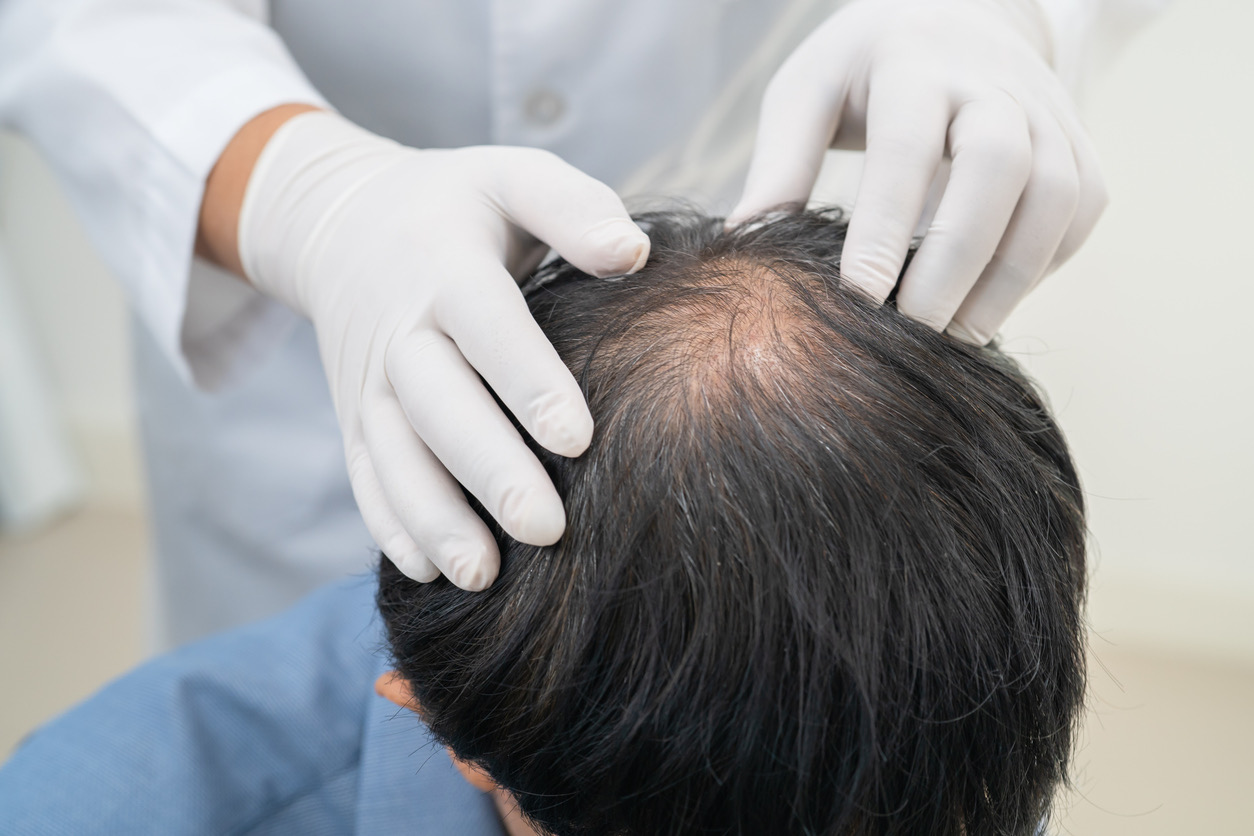
Dihydrotestosterone (DHT) is a hormone derived from testosterone.
In men who are genetically predisposed to hair loss, DHT can gradually shrink susceptible hair follicles. This process, known as follicular miniaturization, causes hairs to become finer and weaker over time.
Many modern hair loss treatments focus on reducing DHT’s impact on the scalp while supporting healthy follicle function.
When Should You Start Treatment?

One of the biggest misconceptions about hair loss is that treatment should begin only after significant thinning occurs.
In reality, earlier intervention often leads to better outcomes.
Because hair follicles become progressively smaller over time, treating hair loss before substantial follicle loss occurs may help preserve existing hair and support future growth.
Common Hair Growth Treatments for Men
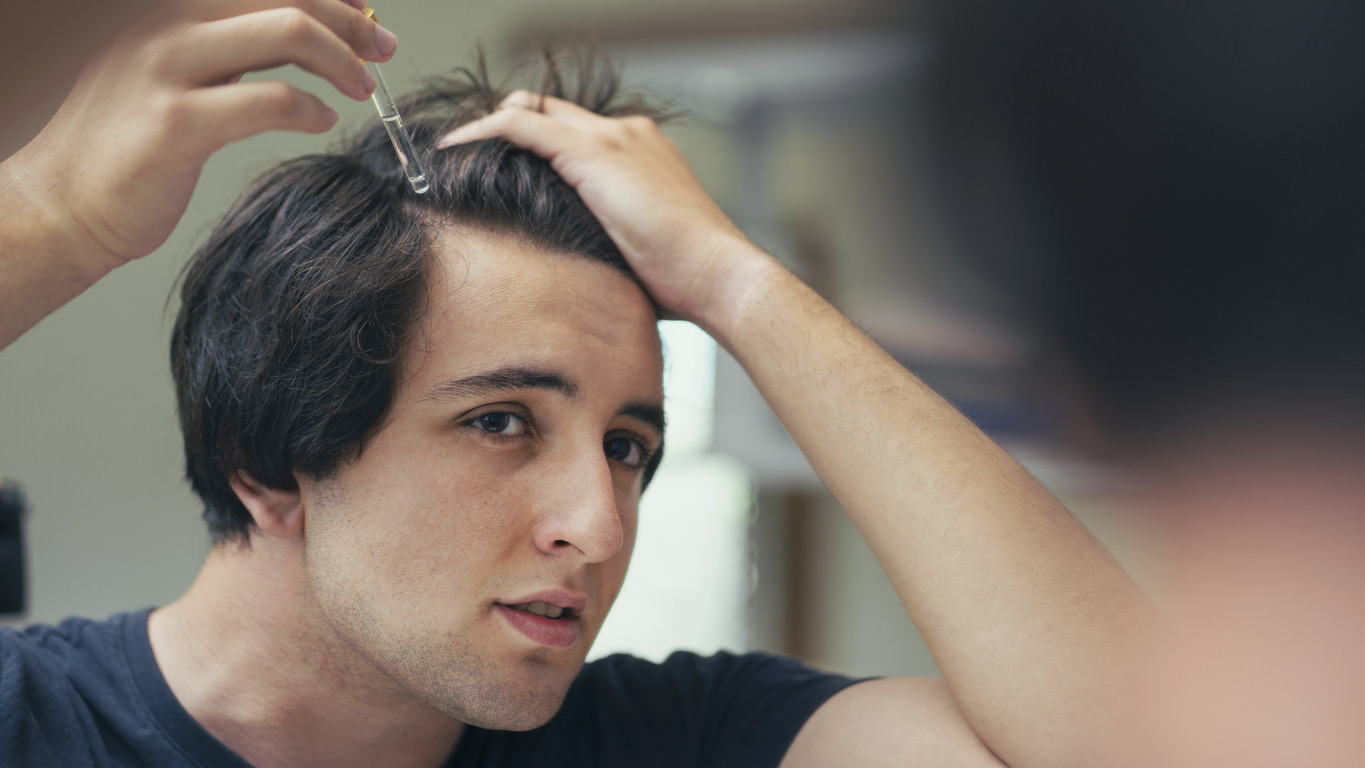
Topical Minoxidil
Minoxidil is one of the most widely used hair growth treatments available.
It works by increasing blood flow to the scalp and extending the growth phase of the hair cycle.
Many men use topical minoxidil as part of a comprehensive hair restoration program.
Topical Finasteride
Finasteride helps reduce the conversion of testosterone into DHT, addressing one of the primary drivers of male pattern hair loss.
Topical formulations are increasingly popular among men seeking targeted scalp treatment.
Combination Therapy
Many providers recommend combining multiple treatment approaches to target hair loss from different angles.
Programs may include:
- DHT management
- Growth stimulation
- Scalp health support
- Lifestyle modifications
How Long Does It Take to See Results?

Hair growth takes time.
Most men should expect treatment to be a long-term commitment rather than a quick fix.
While timelines vary, many patients begin noticing improvements within several months of consistent use, with continued progress occurring over time.
Temporary shedding can also occur early in treatment as older hairs are replaced by new growth.
Can Hair Loss Be Prevented?
Not all forms of hair loss can be prevented, particularly those driven by genetics.
However, proactive treatment may help slow progression and preserve existing hair.
Maintaining overall health through proper nutrition, stress management, sleep, and consistent treatment can also support long-term hair health.